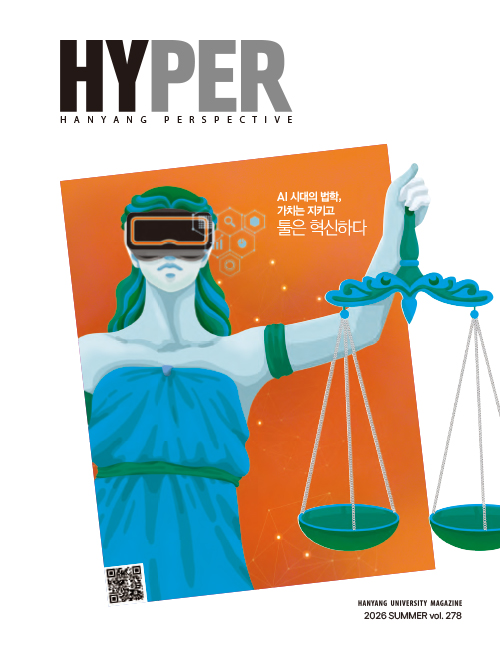
Theme
Report
Report
성큼 다가온 리걸테크 시대
선도할 것인가, 뒤처질 것인가
The Legal-Tech Era Has Arrived
Will You Lead, or Be Led?
리걸테크
Legal Technology
- 글 편집실
- Writing by the Editorial Office
Scroll Down
리걸테크(Legal-Tech)는 인공지능(AI), 빅데이터, 클라우드 컴퓨팅 등 디지털 기술을 활용해 법률 서비스를 자동화하거나 효율화하는 ‘법률 기술’이다. 판례 검색뿐 아니라 계약서 작성, 규제 분석, 보고서 자동화 등 다양한 법률 업무로 확장되고 있다. 리걸테크가 법조계에 어떤 영향을 미치고 있는지 살펴본다.
Legal-Tech is “legal technology” that uses digital technologies such as artificial intelligence (AI), big data, and cloud computing to automate or streamline legal services. Beyond case-law searches, it is expanding into a range of legal tasks, including drafting contracts, analyzing regulations, and automating reports. We shall take a look at how legal-tech is reshaping the legal field.
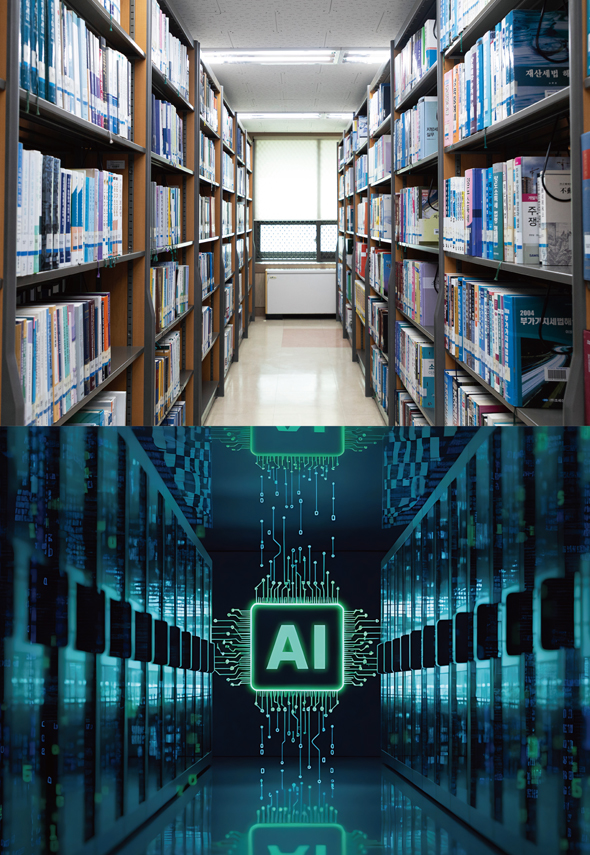
리걸테크 열풍에 놓인 글로벌 법조계
법률 업무는 오랜 기간 축적된 판례 조사, 방대한 분량의 계약서 검토, 다양한 사안을 고려한 문서 작성 등 반복적이고 시간 소모가 큰 작업이 주를 이룬다. 이런 특성으로 AI 도입 시 그 유용성과 효용성이 확실한 분야이기도 하다. 그러나 정확성과 기밀 유지에 대한 기준이 높아 새로운 기술 도입에 신중할 수밖에 없다. 이 때문에 법률 업계는 그동안 디지털 전환이나 AI 활용에 보수적인 산업으로 손꼽혀 왔다.
하지만 이제 리걸테크는 법조계 실무의 핵심 인프라로 자리 잡고 있다. 글로벌 지식 정보 콘텐츠 및 기술 제공 기업인 톰슨로이터가 발표한 ‘퓨처 오브 프로페셔널스 리포트(Future of Professionals Report) 2025’는 AI 활용을 통해 법률 전문가들이 1인당 연간 약 240시간의 업무 시간을 절감할 수 있다고 분석했다. 하루 8시간 근무를 기준으로 한 달 치 업무에 해당하는 시간이다. 세계 최대 매출 로펌으로 알려진 커클랜드앤엘리스(Kirkland & Ellis)도 자체 AI 플랫폼 구축에 나섰다. 총 5억 달러(약 7200억 원)를 투자해, 자사 변호사들의 업무 노하우와 데이터를 통합한 독점형 AI 시스템을 직접 개발하겠다는 전략이다.
글로벌 리걸테크 산업은 생성형 AI의 본격적인 상용화와 함께 전례 없는 속도로 성장하고 있다. 글로벌 시장조사기관 비즈니스 리서치 인사이트(Business Research Insight)의 보고서는 글로벌 리걸테크 AI 시장의 가치가 2026년 22억 3000만 달러(약 3조 2256억 원)에서 2035년 76억 2000만 달러(약 11조 223억 원)로 연평균 14.6% 성장할 것이라 전망했다. 현재 북미와 유럽을 중심으로 혁신적인 서비스가 확산하며 전 세계 법률 서비스 시장에 큰 변화를 불러오고 있다.
리걸테크 기업을 향한 투자도 뜨겁다. 2023년에 창업된 법률 특화 AI 스타트업 레고라(Legora)는 최근 엔비디아 벤처부문 엔벤처스로부터 5000만 달러(약 738억 원)를 추가 유치하며, 시리즈D 라운드 총 조달액 6억 달러(약 8861억 원)를 기록했다. 글로벌 리걸테크 기업 하비(Harvey)와 파일바인(Filevine) 등도 잇달아 대형 투자를 받았다. 글로벌 시장이 리걸테크 산업 발전에 어떤 기대를 하고 있는지 보여준다.
Global Legal Professionals Are Swept Up in the Legal-Tech Boom
Legal work consists largely of repetitive, time-consuming tasks—researching case law accumulated over long periods, reviewing vast volumes of contracts, and drafting documents that weigh a variety of issues. Because of these characteristics, it is also a field where the usefulness and effectiveness of AI are unmistakable once it is adopted. Yet because the standards for accuracy and confidentiality are so high, the legal field has had little choice but to be cautious about adopting new technology. For this reason, the legal field has long been counted among the sectors most conservative about digital transformation and the use of AI.
However, legal-tech has now established itself as core infrastructure for the practice of law. Thomson Reuters, a global provider of knowledge, information, content, and technology, released its “Future of Professionals Report 2025,” which found that using AI can save legal professionals about 240 hours of work per person each year—the equivalent of a month’s work based on an eight-hour day. Kirkland & Ellis, known as the world’s highest-grossing law firm, has also moved to build its own AI platform: its strategy is to invest a total of USD 500 million (about KRW 720 billion) to develop in-house a proprietary AI system that integrates its lawyers’ work know-how and data.
The global legal-tech industry is growing at an unprecedented pace as generative AI enters full-scale commercialization. A report by Business Research Insight, a global market-research firm, forecast that the value of the global legal-tech AI market will grow at an annual average of 14.6%, from USD 2.23 billion (about KRW 3.2256 trillion) in 2026 to USD 7.62 billion (about KRW 11.0223 trillion) in 2035. Today, innovative services are spreading chiefly across North America and Europe, bringing major changes to the legal-services market worldwide.
Investment in legal-tech companies is red-hot as well. Legora, a legal-specialized AI startup founded in 2023, recently drew an additional USD 50 million (about KRW 73.8 billion) from NVentures, NVIDIA’s venture arm, bringing its total Series D funding to USD 600 million (about KRW 886.1 billion). Global legal-tech companies such as Harvey and Filevine have also attracted large investments one after another—a sign of the expectations the global market holds for the development of the legal-tech industry.
우리나라의 리걸테크 상황은?
톰슨로이터코리아는 2017년부터 매년 ‘코리아 리걸테크 포럼’을 개최하고 있다. 해당 포럼은 변호사와 변리사, 인하우스 로이어, 법무팀 관리자, 정책 및 IT 담당자까지 다양한 업계 전문가들이 참여해, 법률 산업의 최신 기술 동향을 파악하고 실무 도입 전략을 구체화하는 자리다. 2025년에는 ‘리걸테크, 생성형 AI, 그리고 법률의 미래(Legal Tech, GenAI, and the Future of Law)’라는 주제 아래, AI 시대의 법무 환경 혁신과 디지털 전환 전략이 제시됐다. 참석자들은 이 자리에서 ‘2023년에는 AI에 대한 기대가 중심이었다면, 2024년에는 실제 활용이 본격화됐고, 2025년에는 AI를 도입하지 않으면 오히려 뒤처질 수 있다는 위기의식이 자리잡았다’는 분석을 공유했다. 지난 6월 9일에 열린 2026년 포럼의 주제는 ‘법무 조직 AI 도입, 실험을 넘어 전략으로’였다. 법무 조직 AI 도입이 단순한 실험 단계를 넘어, 이미 전략 수립과 일상 업무 전반으로 확장됐음을 시사한다.
대한민국은 모든 소송 절차가 전자화된 전자소송 선진국으로 평가된다. 법률 문서, 증거, 판결문까지 구조화된 데이터로 축적된 터라 AI 적용이나 고도화에 유리한 조건을 갖추고 있다. 글로벌 리걸테크 기업들이 방대한 판례 데이터 확보에 어려움을 겪는 것과 다르게, 우리나라는 이미 데이터 기반이 마련돼 있는 것이다. 하지만 국내 리걸테크 산업은 상대적으로 더디게 성장하고 있다. 법률 플랫폼 ‘로톡(LawTalk)’을 둘러싼 대한변호사협회와 리걸테크 기업 간의 갈등, 변호사법 위반 논란 등 제도적 불확실성이 해소되지 않은 탓이다.
아직 해결해야 할 문제들이 남아 있으나, 국내에서도 리걸테크는 피할 수 없는 흐름으로 받아들여지고 있다. 대형 로펌들을 주축으로 KM(지식관리) 시스템과 AI를 결합해 실무 적용 범위를 넓히는 상황이다. 법무법인 율촌은 리걸 AI 기업 BHSN과 협력해 지능형 법률 AI 시스템 ‘아이율(AI:Yul)’을 구축하고, 올해부터 전사적 활용에 나섰다. 법무법인 세종은 글로벌 리걸테크 기업 하비의 생성형 AI를 도입해 해외 자문 업무에 시범 적용하고 있다.
국내 리걸테크 기업들도 앞선 기술력을 바탕으로 영향력을 넓히고 있다. BHSN은 법률 특화 LLM, 대형 로펌 및 대기업과 진행한 협력 프로젝트 노하우를 바탕으로 기업 법무 환경에 최적화된 구조를 선보인다. 로앤컴퍼니가 개발한 AI 법률비서 ‘슈퍼로이어’는 460만여 건의 판례 데이터를 학습해 신청서나 서면 초안을 단 2분 안에 처리한다. ‘엘박스’는 2025년 8월 검찰과 정식 계약을 체결했으며, 법리 검토나 유사 판례 검색, 유무죄 판단 기준 분석 등에 다양한 서비스를 제공 중이다. 이 외에도 여러 리걸테크 기업들이 성장하고 있다. 리걸테크는 단순한 도구를 넘어, 법조계의 동반자로 자리매김하려 한다.
How About K-Legal-Tech?
Thomson Reuters Korea has held the “Korea Legal Tech Forum” every year since 2017. The forum brings together a wide range of industry experts—lawyers and patent attorneys, in-house counsel, legal-team managers, and policy and IT professionals—to take stock of the latest technology trends in the legal field and flesh out strategies for adopting them in practice. In 2025, under the theme “Legal Tech, GenAI, and the Future of Law,” the forum presented strategies for innovating the legal environment and driving digital transformation in the AI era. There, attendees shared the analysis that “whereas 2023 centered on expectations for AI, in 2024 its actual use began in earnest, and by 2025 a sense of urgency had taken hold—that those who do not adopt AI may in fact fall behind.” The theme of the 2026 forum, held this past June 9, was “Legal Organizations’ AI Adoption: Beyond Experimentation to Strategy.” It signals that the adoption of AI by legal organizations has moved past a mere experimental stage and has already expanded into strategy-setting and everyday work across the board.
Korea is regarded as an advanced e-litigation nation, where every stage of litigation has been digitized. Because everything from legal documents, evidence, and judgments has been accumulated as structured data, it is well positioned for the application and advancement of AI. Unlike global legal-tech companies, which struggle to secure vast troves of case-law data, Korea already has its data foundation in place. Yet the domestic legal-tech industry is growing relatively slowly—because institutional uncertainty has not been resolved, including the conflict between the Korean Bar Association and legal-tech companies over the legal platform “LawTalk” and the controversy over alleged violations of the Attorney-at-Law Act.
Although problems remain to be solved, legal-tech is being accepted in Korea, too, as an unavoidable trend. Led chiefly by large law firms, the field is widening the scope of practical application by combining KM (knowledge management) systems with AI. The law firm Yulchon, in cooperation with the legal-AI company BHSN, built an intelligent legal-AI system called “AI:Yul” and began using it firm-wide this year. The law firm Shin & Kim has adopted the generative AI of the global legal-tech company Harvey and is piloting it for overseas advisory work.
Domestic legal-tech companies are also broadening their influence on the strength of advanced technology. BHSN presents a structure optimized for the corporate legal environment, drawing on its legal-specialized LLM and the know-how gained from collaborative projects with large law firms and major corporations. “SuperLawyer,” an AI legal assistant developed by Law&Company, has learned from data on some 4.6 million court precedents and can handle a draft application or brief in just two minutes. “LBOX” signed a formal contract with the prosecution in August 2025 and currently provides a range of services for legal review, similar-precedent searches, and analysis of guilt-or-innocence criteria, among others. Many other legal-tech companies are growing as well. Legal-tech is seeking to establish itself not as a mere tool but as a partner to the legal field.

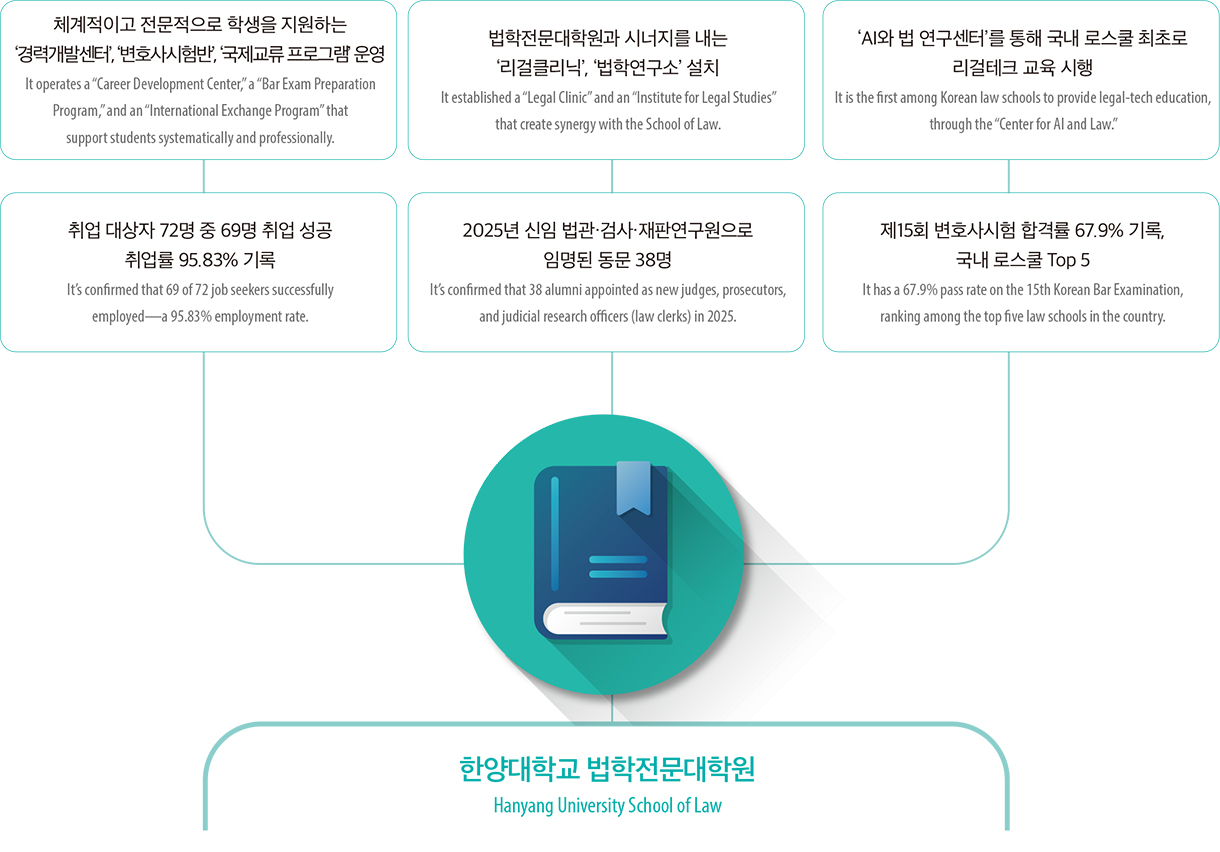
체계적이고 실효성 있는 교육과정을 운영하고 있는 한양대 법학전문대학원은 국내 로스쿨 가운데 가장 먼저 리걸테크 관련 수업을 개설해 주목받았다.
It operates a systematic and effective curriculum, Hanyang University School of Law drew attention as the first among Korean law schools to offer legal-tech-related classes.
변하는 세상에 맞춰 법학 교육도 진화하는 중
법률 업계를 둘러싼 리걸테크 열풍이 거세다. 법학 교육은 어떤 방향으로 나아가고 있을까. 올해 6월 24일, 국내 최초로 열리는 로스쿨 AI 챌린지 대회에 전국 로스쿨생 907명, 총 323개 팀이 참가 신청을 마쳤다. 전국 로스쿨 재학생 6000여 명 가운데 약 15%에 달하는 규모다. 법학전문대학원협의회, 법률신문사, 리걸테크 기업 로앤컴퍼니와 엘박스가 공동 주최하고 국내 대형 로펌들이 후원사로 참여한 ‘제1회 로스쿨 AI 챌린지’는 예비 법조인의 법적 추론 능력과 AI 활용 역량을 평가하기 위해 마련됐다. 참가자들이 다양한 AI 도구를 활용해 작성한 분석 의견서를 심사하는 것이다. AI가 제시한 결과를 참가자가 어떻게 비판적으로 검토하고 오류를 보완·통제했느냐가 핵심 평가 요소다. 법학전문대학원협의회 홍대식 이사장은 “이번 대회는 AI의 한계를 인간의 비판적 사고로 보완하고 통제할 수 있는 미래형 법조인을 발굴하는 첫 시도”라고 밝혔다.
한양대 법학전문대학원은 이론과 실무를 겸비한 우수한 교수진과 함께 체계적이고 실효성 있는 교육과정을 운영하고 있다. 다양한 특강과 실무 중심 프로그램으로 법조인으로서 갖춰야 할 역량을 균형 있게 함양한다. 특히 국내 로스쿨 가운데 가장 먼저 리걸테크 관련 수업을 개설해 주목받았다.
지난 4월 7일, 리걸테크 벤처기업 A2D2가 한양대에서 ‘AI는 변호사의 일을 어떻게 바꾸는가 - 리걸테크 현장에서 바라본 법률가의 일하는 방식의 변화’를 주제로 특강을 진행했다. AI 법률 서비스 동향을 살피고, △AI의 변호사 대체 가능성 △기술적 한계와 해결 방향 △업무 프로세스 혁신 △리걸테크와 제도 간 괴리 △향후 법률시장 변화 등을 다룬 시간이었다. 강의를 진행한 이영주(변호사시험 1회) CLO·변호사는 “AI가 생성한 결과물을 검토하고 판단하는 역할은 여전히 변호사에게 있다”고 강조했다.
한양대 법학전문대학원은 리걸테크 실무 등의 강좌를 개설해 법률시장 변화에 기술적으로 적응할 수 있는 법률가를 양성하고 있다. 매년 ‘인공지능과 법’ 논문 경연대회를 개최해 예비 법률가들이 기술 발전에 따른 문제를 스스로 고민할 기회도 마련한다. 또 법학전문대학원 교수 대다수가 사회 변화와 관련한 다양한 대내외 활동을 펼치고, 그 경험을 교육과 연구에 반영한다. 한양대 법학전문대학원은 AI와 리걸테크 시대에도 변하지 않을 가치를 교육하는 한편, 시대를 선도할 역량을 키우고 있다.
“사회에 진출한 한양 출신 법률가들이 AI 시스템이 살피지 못하는 사소하고 작은 영역까지 살피는 법률가로 활동할 것이라 믿습니다. 그 과정에서 한양대는 인재 배출의 인큐베이터로서, 패컬티 구성원들의 사회적 활동을 뒷받침하는 플랫폼으로 활약할 것입니다.”
한양대 법학전문대학원 선지원 교수
“한양대 법학전문대학원은 앞으로 공학, 사회과학 등 다양한 전공과의 긴밀한 협력을 바탕으로 교육과 연구의 지평을 확장해 나갈 것입니다. 또 이를 통해 AI 시대에 맞는 교육과 지원을 펼치는 로스쿨로 진화할 것입니다.”
한양대 법학전문대학원 박혜진 교수
Legal Education Is Evolving to Match a Changing World
The legal-tech boom surrounding the legal field is fierce. In what direction is legal education heading? On June 24 this year, 907 law school students from across the country, in 323 teams in all, completed their applications for the Law School AI Challenge, held for the first time in Korea—roughly 15% of about 6,000 law school students nationwide. Co-hosted by the Association of Korean Law Schools, the Korea Law Times, and the legal-tech companies Law&Company and LBOX, with major domestic law firms taking part as sponsors, the “First Law School AI Challenge” was created to assess aspiring legal professionals’ legal-reasoning ability and their competence in using AI. It involves judging the analytical opinions that participants write using a variety of AI tools. The key evaluation criterion is how critically participants reviewed the results presented by AI and how they corrected and controlled for errors. Hong Dae-sik, Chairman of the Association of Korean Law Schools, said, “This competition is Korea’s first attempt to discover the future-oriented legal professionals who can use human critical thinking to complement and control the limits of AI.”
Hanyang University School of Law operates a systematic and effective curriculum together with an outstanding faculty that combines theory and practice. Through a variety of special lectures and practice-centered programs, it cultivates, in balanced fashion, the competencies a legal professional must possess. In particular, it drew attention as the first among Korean law schools to offer legal-tech-related classes.
On April 7, the legal-tech venture A2D2 gave a special lecture at Hanyang University under the theme “How Is AI Changing the Work of Lawyers? Changes in Legal Professionals’ Ways of Working as Seen from the Legal-Tech Field.” The session examined trends in AI legal services and covered the possibility of AI replacing lawyers, technological limits and directions for solutions, innovation in work processes, the gap between legal-tech and institutions, and future changes in the legal market. Lee Young-ju (passed the 1st Korean Bar Examination), the CLO and an attorney who gave the lecture, emphasized, “The role of reviewing and judging the outputs generated by AI still lies with the lawyer.”
Hanyang University School of Law cultivates legal professionals who can adapt technologically to changes in the legal market by offering courses such as Legal-Tech Practice. Each year it holds an “Artificial Intelligence and Law” paper competition, giving aspiring legal professionals the chance to grapple for themselves with the problems that accompany technological progress. In addition, the majority of the School of Law’s professors carry out a range of activities, both inside and outside the university, related to social changes, and they reflect that experience in their teaching and research. Even in the age of AI and legal-tech, Hanyang University School of Law teaches the values that will not change while training students’ capabilities to lead the times.
“I believe that the Hanyang-educated legal professionals who go out into society will be the ones who can identify even the small, minor areas that AI systems fail to catch. In that process, Hanyang University will serve as an incubator for producing talent and as a platform that supports the social engagement of its faculty members.”
Professor Sun Ji-won, Hanyang University School of Law
“Going forward, Hanyang University School of Law will expand the horizons of its education and research on the basis of close collaboration with a variety of disciplines, such as engineering and the social sciences. Through this, it will become a law school that delivers the education and support suited to the AI era.”
Professor Park Hai-jin, Hanyang University School of Law
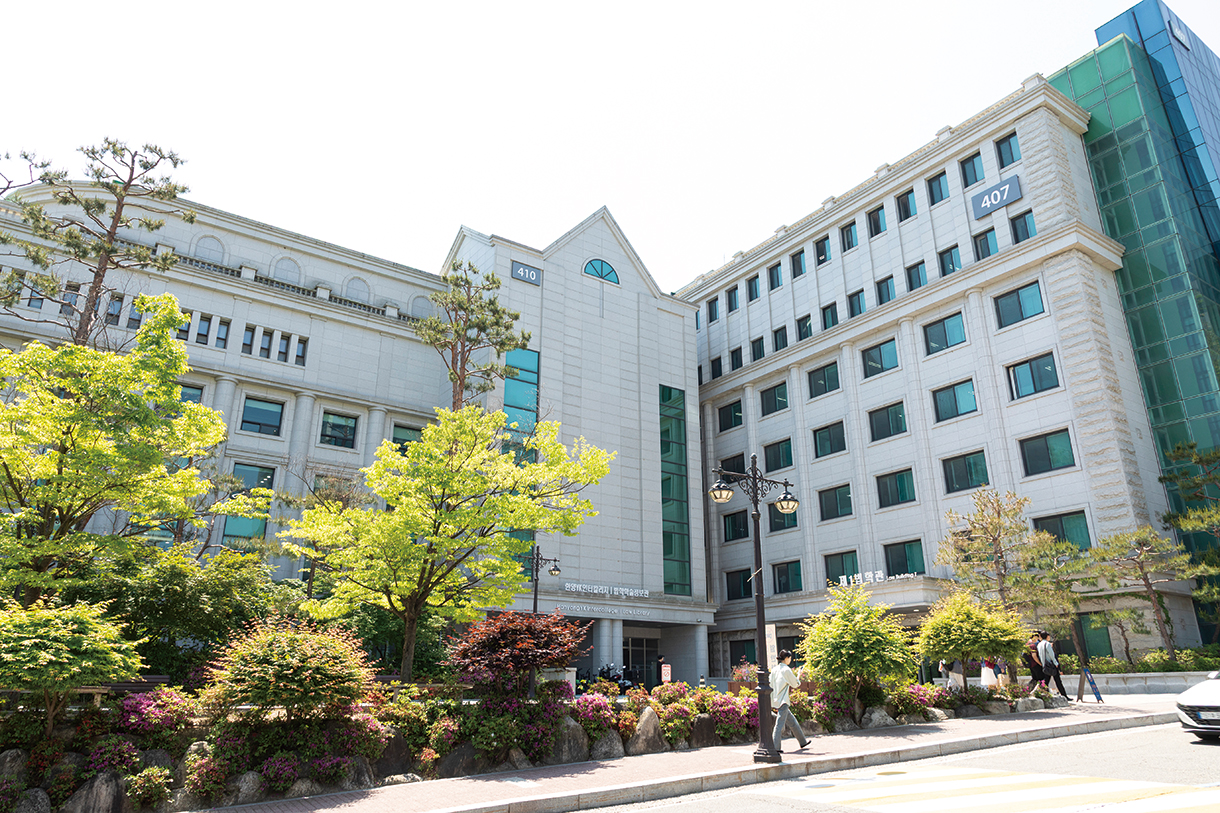
한양대 법학전문대학원은 윤리의식과 법률 지식을 갖췄을 뿐 아니라, 사회 변화에 빠르게 적응해 시대를 선도할 수 있는 법률가를 키우고자 노력한다.
Hanyang University School of Law strives to produce legal professionals who not only possess ethical awareness and legal knowledge but can also adapt quickly to social changes and lead the times.